
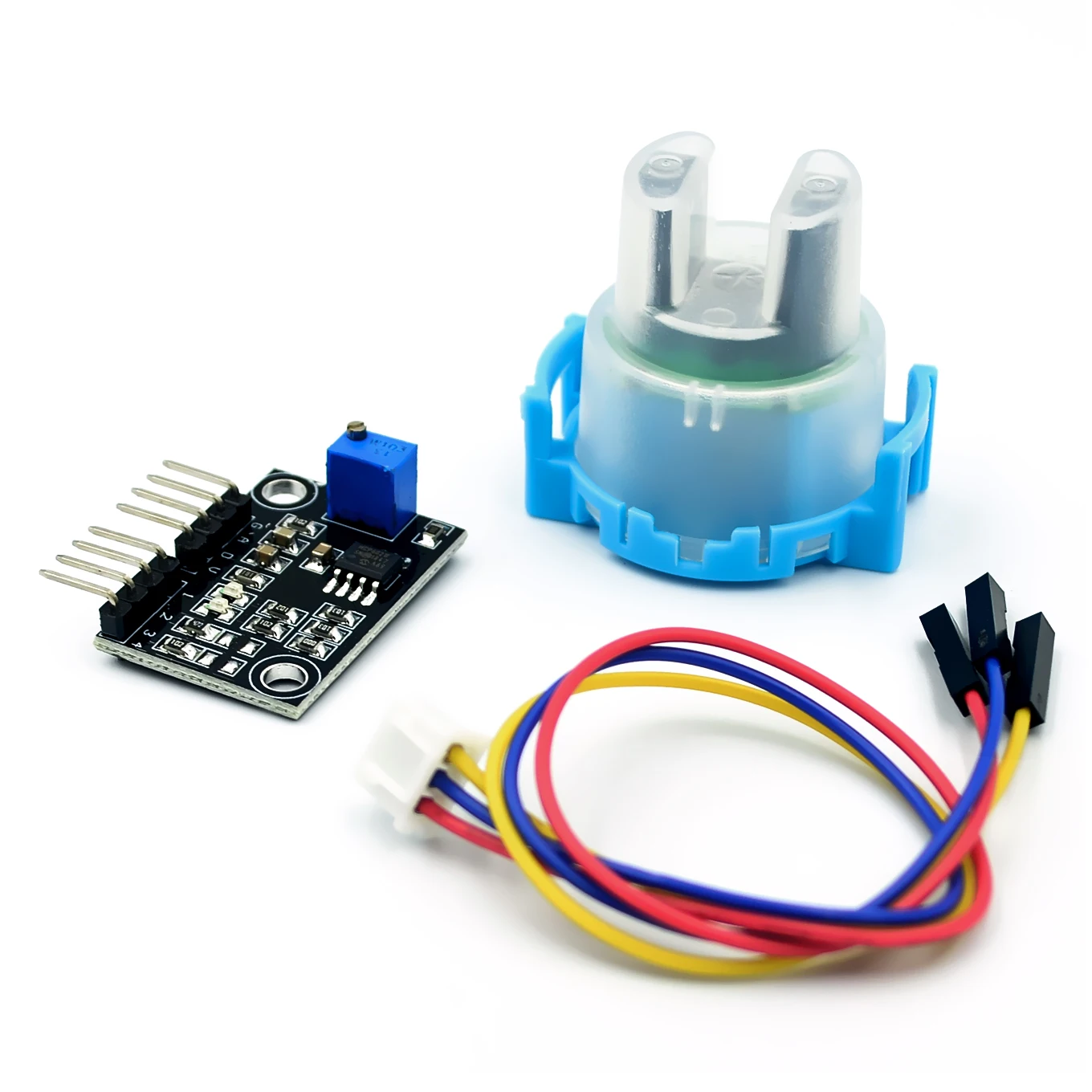
Gravity Analog Turbidity Sensor – Water Quality Detection Module
Build your own water quality monitoring system with the Gravity Analog Turbidity Sensor. This module measures the turbidity (cloudiness) of water by detecting the amount of light transmittance and scattering rate. It is essential for projects involving environmental monitoring, smart washing machines, aquariums, and wastewater treatment.
1,230.00৳ 1,400.00৳
Precise Water Quality Analysis
The sensor works by sending a beam of light through the water probe. The more suspended particles (dirt, mud, plankton) in the water, the less light reaches the receiver. This change is converted into an electrical signal, allowing your microcontroller to determine how “clean” or “dirty” the water is.
Dual Output Modes
This adapter board is versatile. It offers both:
-
Analog Output (0-4.5V): Provides a continuous reading of turbidity levels, perfect for data logging and precise analysis.
-
Digital Output (High/Low): Triggers a signal when turbidity exceeds a certain limit. You can adjust this threshold using the onboard blue potentiometer (trimmer).
Easy Integration
Designed for the “Gravity” interface, it comes with a plug-and-play 3-pin cable. It operates on standard 5V DC and consumes very low power (<40mA), making it compatible with Arduino UNO, Mega, and Raspberry Pi (with ADC).
Key Features
-
Function: Measures liquid clarity/turbidity levels.
-
Fast Response: Readings settle in under 500ms for real-time monitoring.
-
Adjustable Sensitivity: Onboard potentiometer to set the trigger point for Digital Mode.
-
Waterproof Probe: The plastic sensor head is designed for submersion (Note: Do not submerge the electrical connector/top cap).
-
Low Power: Efficient design consuming typically 40mA.
Technical Specifications
| Specification | Details |
| Model | 4090 |
| Operating Voltage | 5V DC |
| Operating Current | 40mA (Max) |
| Response Time | < 500ms |
| Insulation Resistance | 100MΩ (Min) |
| Output Method | Analog (0-4.5V) / Digital (High/Low) |
| Operating Temperature | 5°C ~ 90°C |
Based on 0 reviews
Be the first to review “Gravity Analog Turbidity Sensor – Water Quality Detection Module”
Related products
-
Sensors
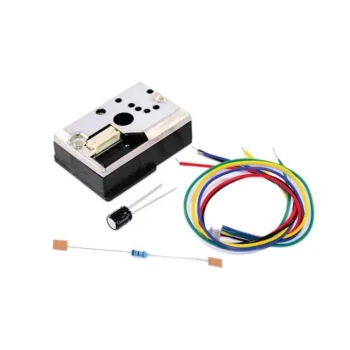
Optical Dust Sensor GP2Y1014AU0F Compact 1PCS
Build your own air quality monitor with the GP2Y1014AU0F Optical Dust Sensor. This compact module uses an infrared emitting diode and a phototransistor to detect fine particles like dust and cigarette smoke in the air. It is the upgraded version of the classic GP2Y1010AU0F, offering higher precision and stability. The package includes the necessary 150Ω resistor and 220uF capacitor required to drive the LED, making it ready for immediate use with Arduino.
SKU: n/a -
Sensors
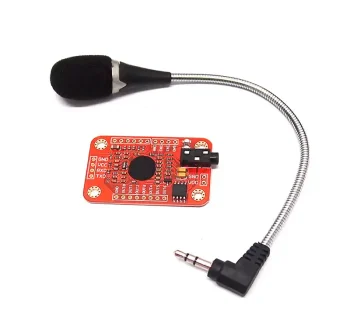
Voice Recognition Module V3
Turn your voice into a remote control with the Voice Recognition Module V3. This advanced module allows you to control your Arduino, robotics, or smart home devices using simple voice commands—no internet or WiFi required. With high recognition accuracy and an easy-to-use UART interface, it is the ultimate solution for building hands-free electronics.
SKU: n/a -
Sensors
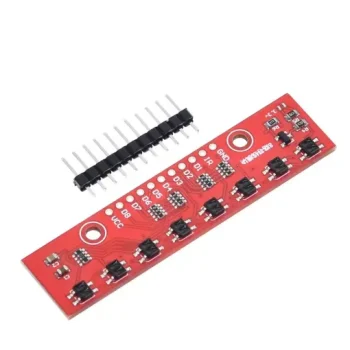
QTR-8RC Analog IR LFR Line Follower Sensor Array (8-Channel)
Gain the competitive edge in robotics competitions with this 8-Channel IR Sensor Array. Designed specifically for Line Follower Robots (LFR), this module uses 8 pairs of infrared transmitters and receivers to detect lines with high precision. Its analog output nature allows for detecting “shades” of the line position, making it perfect for implementing smooth PID control algorithms.
SKU: n/a -
Sensors
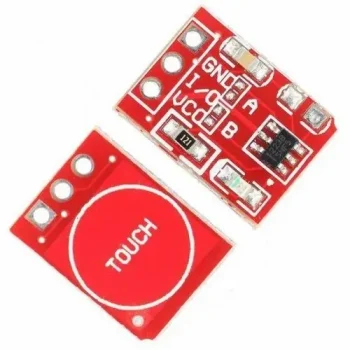
Mini Touch Sensor Module with Header Pin
Modernize your electronics projects with this Mini Capacitive Touch Sensor Module. Designed as a direct replacement for traditional mechanical push buttons, this compact board detects human touch with high sensitivity and outputs a clean digital signal. It comes with pre-soldered header pins, making it instantly ready for breadboarding or connecting to your Arduino/microcontroller without any soldering required
SKU: n/a
There are no reviews yet.